Understanding SMTP Relay Service in Google Workspace
Google Workspace, formerly G Suite, offers robust email management solutions designed to streamline communication for businesses. One such feature is the **SMTP relay service**, which plays a critical role in ensuring secure and efficient email delivery. Understanding how this service functions can empower organizations to optimize their email infrastructure while maintaining compliance and security.
What is an SMTP Relay Service?
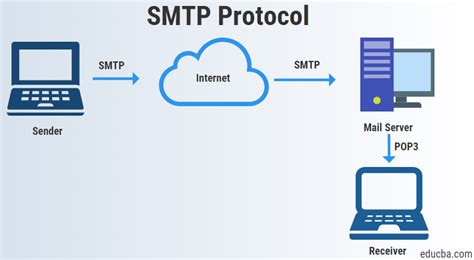
An **SMTP relay service** acts as an intermediary in the email delivery process. When an email is sent from a client or server, the SMTP relay service intercepts the message, authenticates it, and forwards it to the recipient’s server. This mechanism is essential for organizations that need to send emails from third-party applications, external devices, or servers outside their primary domain.

For Google Workspace users, the SMTP relay service is particularly useful for scenarios like sending emails from custom applications, external servers, or mobile devices. It ensures that these emails are delivered securely, maintaining the integrity of the sender’s identity and reducing the risk of spam or phishing.

Why Use SMTP Relay Service in Google Workspace?
- **Secure Email Delivery**: The service authenticates emails, ensuring they originate from verified sources.
- **Compatibility**: Supports integration with external applications and servers, enabling seamless email communication.
- **Scalability**: Easily scale your email infrastructure without compromising on performance or security.
- **Compliance**: Helps maintain compliance with industry regulations by providing a secure pathway for email transmission.
How to Configure SMTP Relay Service in Google Workspace
Configuring the SMTP relay service in Google Workspace requires a few key steps to ensure secure operation. Below is a detailed guide to assist administrators in setting up the service.
- Access Google Admin Console: Log in to your Google Admin Console with your administrator credentials.
- Navigate to Apps: Go to the **Apps** section and select **Google Workspace**.
- Select Gmail: Choose the **Gmail** option under the Google Workspace suite.
- Access SMTP Relay Settings: Under the **User settings** tab, locate the **SMTP relay service** option.
- Configure General Settings: Set the **SMTP relay server** address to 'smtp.gmail.com' and specify the **port** (typically 587 for TLS or 465 for SSL).
- Authentication: Enable **SMTP authentication** by selecting **Username and password**. Enter the credentials of a user authorized to send emails via the relay.
- Set Up Filters** (Optional): Configure **SMTP filters** to control which emails are sent via the relay. This can help manage spam or limit usage to specific domains or users.
- Save Configuration: After setting up the parameters, save your configuration and test the relay service to ensure emails are delivered as expected.
Administrators can also choose to enable **IP address restrictions** to further secure the relay service. This feature allows admins to specify which IP addresses are allowed to use the relay, adding an extra layer of protection against unauthorized access.
Security Considerations for SMTP Relay Service
Security is paramount when using an SMTP relay service, especially in a cloud-based environment like Google Workspace. Here are some best practices to mitigate risks:
- **Use Strong Authentication**: Always enable strong password policies and use multi-factor authentication (MFA) for user accounts involved in the relay process.
- **Limit Access**: Restrict relay access to specific users or IP addresses to prevent abuse or unauthorized use.
- **Monitor Activity**: Regularly review logs and monitor relay usage to identify any suspicious activity or anomalies.
- **Update Regularly**: Keep your Google Workspace settings updated to incorporate the latest security patches and features.
By implementing these security measures, organizations can ensure that their email communication via the SMTP relay service remains protected against potential vulnerabilities.
Common Use Cases for SMTP Relay Service
The SMTP relay service in Google Workspace supports a variety of use cases across different industries. Below are some of the most common scenarios where the relay service proves invaluable:
- **Custom Applications**: Developers can integrate the SMTP relay service into custom apps to send emails programmatically without exposing sensitive credentials or infrastructure.
- **External Servers**: For organizations that run external servers or cloud services, the relay service facilitates seamless email delivery without the need for complex configurations.
- **Mobile Devices**: Employees using mobile devices to send emails can leverage the relay service to maintain consistent communication while ensuring security.
- **Third-party Services**: Many third-party services, such as customer support platforms or marketing automation tools, can integrate with the relay service to send notifications or communications via Gmail.
These use cases highlight the versatility of the SMTP relay service and its role in supporting diverse email communication needs across different domains.
Troubleshooting Common SMTP Relay Issues
Despite its benefits, users may encounter issues with the SMTP relay service. Here are some common problems and their solutions:
- Authentication Errors**: If users receive an authentication error, verify the credentials being used for the relay service. Ensure that the user account has permission to send emails via the relay and that the password is up to date.
- Port Conflicts**: In case of port conflicts, confirm the correct port number (587 for TLS or 465 for SSL) is being used and check for any firewall restrictions that might be blocking access.
- Rate Limiting**: If users experience issues with rate limiting, review the relay service’s usage limits. Google Workspace typically manages these limits automatically, but administrators can adjust them via the Admin Console if needed.
- Email Blocking**: If emails are being blocked, check the spam filters or content restrictions. Adjust settings if necessary to allow the relay service to function as intended.
For more advanced troubleshooting, administrators can access the **Google Workspace support portal** for detailed logs and analysis tools to resolve persistent issues.
Best Practices for Optimizing SMTP Relay Service Performance
To maximize the performance of the SMTP relay service, administrators should follow these best practices:
- **Regular Monitoring**: Keep a close eye on relay usage metrics to identify bottlenecks or areas for improvement.
- **Performance Tuning**: Adjust relay settings periodically to align with the evolving communication needs of the organization.
- **User Training**: Educate users on the proper use of the relay service to minimize misuse or misconfiguration.
- **Backup Configuration**: Maintain backup configurations to quickly restore settings in case of unexpected disruptions.
By adhering to these best practices, organizations can ensure a smoother, more reliable email delivery experience using the SMTP relay service in Google Workspace.
Comparing SMTP Relay Service with Alternative Email Delivery Methods
While the SMTP relay service is a powerful tool, it’s worth comparing it with other email delivery options to determine the best fit for specific needs. Below is a brief comparison:
- SMTP Relay Service**: Ideal for secure, authenticated email delivery from external sources. Suitable for organizations that need to maintain control over email authentication.
- Email API Services**: Provide more flexibility for developers, offering scalable solutions for programmatically sending emails. However, these APIs may require additional configuration and authentication.
- Third-party Email Services**: Platforms like SendGrid or Mailgun offer robust features for email marketing and transactional emails. However, they may come with subscription costs and integration challenges.
Choosing the right email delivery method depends on the specific requirements of the organization, such as security, scalability, and cost.
Conclusion
In summary, the **SMTP relay service in Google Workspace** is a critical component for secure, scalable, and efficient email delivery. By understanding its functionality, configuring it correctly, and applying best practices, organizations can enhance their email infrastructure while maintaining compliance and security. Whether you’re sending emails from custom applications, external servers, or mobile devices, the SMTP relay service offers a reliable solution tailored to meet diverse communication needs. As businesses continue to evolve, leveraging the power of Google Workspace’s SMTP relay service will continue to be a strategic advantage in their communication strategy.