Introduction to Email Relay Service
Email relay service is a critical component in the digital communication ecosystem, enabling seamless email delivery across networks. Whether you're a business owner managing your company’s communications or a developer working on email infrastructure, understanding the intricacies of email relay service is essential. This blog post delves into the depths of email relay service, exploring its role, benefits, challenges, and best practices for effective implementation.
What is Email Relay Service?
At its core, an email relay service acts as an intermediary between the sender and the recipient. It facilitates the transfer of emails from one network or domain to another, ensuring that messages reach their intended destination without obstruction. Email relay services are particularly useful in scenarios where direct email delivery is hindered due to network restrictions, domain mismatches, or spam filters.
How Email Relay Service Works
Understanding the mechanics of an email relay service is key to leveraging its capabilities effectively. The process typically involves the following steps:
- Sender Initiation: The email is composed and sent by the sender through their email client or server.
- Relay Detection: The sender’s server identifies the need for a relay if the recipient’s domain or network is different from the sender’s.
- Relay Server Engagement: The email is forwarded to a relay server, which acts as a bridge between the sender’s and recipient’s networks.
- Relay Processing: The relay server authenticates the message, checks for compliance with spam regulations, and routes it to the recipient’s server.
- Delivery Confirmation: Once the recipient’s server accepts the message, a confirmation is sent back to the relay server, indicating successful delivery.
This structured workflow ensures that messages are delivered efficiently and securely, regardless of the communication cha
els involved.
Types of Email Relay Services
Email relay services come in various forms, each tailored to specific needs. Here’s a breakdown of the most common types:
- Public Email Relay Services: These services are available to anyone on the internet, often used by individuals or small businesses. Examples include Gmail’s relay infrastructure and third-party services like SendGrid or Mailgun.
- Private Email Relay Services: Reserved for internal use within an organization, these relay services are typically deployed on-premise or within a secure cloud environment. They provide greater control and security, often integrated into enterprise email systems.
- Cloud-Based Email Relay Services: Leveraging the scalability and reliability of cloud infrastructure, these services are ideal for businesses that require flexible email delivery solutions without the need for maintaining infrastructure.
- Enterprise Email Relay Services: Designed for large-scale operations, enterprise relay services include advanced features like custom routing, detailed analytics, and compliance monitoring, often integrated with existing IT infrastructures.
Choosing the right type of relay service depends on specific requirements, scalability needs, and the level of control required over communication cha
els.
Benefits of Using Email Relay Service
The advantages of integrating an email relay service into your communication strategy are manifold. Here’s a look at some of the key benefits:
- Improved Delivery Rates: Email relay services help bypass spam filters and network restrictions, increasing the likelihood that your messages reach the recipient’s inbox.
- Enhanced Security: By acting as an intermediary, relay services can filter out malicious content before it reaches the recipient, adding an additional layer of security to your communication.
- Scalability: Particularly in cloud-based solutions, relay services can adapt to fluctuating email volumes, supporting businesses as they grow.
- Cost Efficiency: Outsourcing email relay operations to specialized services reduces the burden on in-house IT resources and infrastructure costs.
- Compliance Support: Many relay services incorporate compliance mechanisms to ensure adherence to industry regulations, such as GDPR or CAN-SPAM.
These benefits collectively contribute to a more robust, efficient, and secure communication infrastructure.
Challenges Associated with Email Relay Service
While email relay services offer significant advantages, they also present certain challenges that must be addressed:Challenges include:
- Authentication Issues: Ensuring that messages are authenticated correctly can be complex, especially with evolving spam detection algorithms.
- Cost Management: While cost-effective in many cases, some relay services may incur unexpected expenses, especially with high-volume traffic or premium features.
- Configuration Complexity: Setting up and configuring a relay service can be intricate, particularly for private or enterprise solutions that require integration with existing IT systems.
- Dependency Risks: Relying on external relay services introduces dependency risks; disruptions or outages can impact communication workflows.
Addressing these challenges requires careful pla
ing, robust configuration, and ongoing monitoring to ensure reliability and effectiveness.
Best Practices for Implementing Email Relay Service
To maximize the effectiveness of an email relay service, adhering to best practices is essential. Here are some recommendations:
- Choose a Reliable Provider: Select a reputable email relay service provider with a proven track record of reliability, security, and customer support.
- Monitor Performance Regularly: Regularly assess the performance of your relay service, checking for delays, delivery issues, or anomalies that could affect communication.
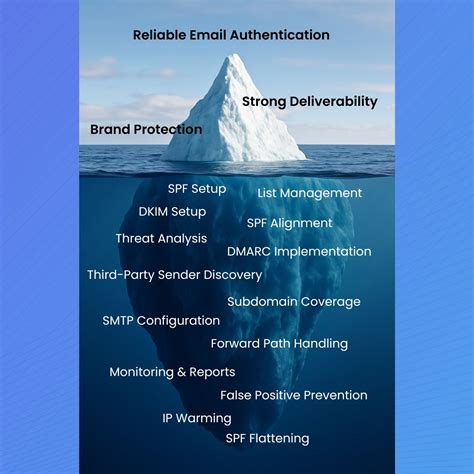
- Implement Authentication Protocols: Ensure that your relay service supports authentication protocols like SPF, DKIM, and DMARC to enhance security and reduce spam risks.
- Optimize Configuration Settings: Tailor configurations to align with your specific communication needs, ensuring compatibility with your network and recipient domains.
- Educate Your Team: Provide training to your IT staff or relevant perso
el on the proper use and management of the relay service to maximize efficiency.
By following these best practices, organizations can ensure a smoother communication experience and minimize disruptions.
Case Studies: Real-World Applications of Email Relay Service
To illustrate the practical applications of email relay services, let’s explore a few real-world examples:
- E-commerce Platforms: For online retailers, email relay services are vital for sending transactional emails—such as order confirmations, shipping updates, and customer service communications—without interference from spam filters.
- Healthcare Providers: Healthcare organizations use relay services to securely transmit sensitive patient information, ensuring compliance with HIPAA regulations and maintaining data integrity.
- Financial Institutions: Banks and financial institutions leverage email relay services to deliver secure communications, including transaction notifications, account updates, and fraud alerts, with added layers of security and compliance.
These examples highlight how email relay services support diverse industries and enable secure, reliable communication.
Future Trends in Email Relay Service
The landscape of email relay services is continuously evolving. Understanding future trends can help businesses stay ahead of the curve and adapt to changing needs:**

- AI-Driven Relay Services: Emerging technologies are incorporating artificial intelligence to optimize routing, enhance spam detection, and improve overall delivery performance.
- Enhanced Security Frameworks: Advancements in encryption and authentication technologies will further secure email communications, reducing vulnerabilities to threats.
- Cloud Integration Expansion: Cloud-based relay solutions will continue to grow, offering more flexible, scalable, and cost-effective options for businesses of all sizes.
- Regulatory Compliance Automation: As regulations evolve, automated compliance monitoring within relay services will become more prevalent, simplifying adherence to legal requirements.
These trends indicate a trajectory towards more intelligent, secure, and efficient communication infrastructures.
Conclusion
In summary, an email relay service is an indispensable tool for ensuring seamless communication across diverse networks and domains. From understanding its operational mechanics to implementing best practices and recognizing real-world applications, this guide has provided a thorough overview of email relay service. As the digital landscape continues to evolve, staying informed and adapting to the latest trends and technologies will be crucial for maintaining effective communication strategies. Whether you’re a business owner or a developer, embracing the value of email relay service can significantly enhance your communication capabilities and overall efficiency.